How to Build the Perfect Weekend Outfit From Scratch
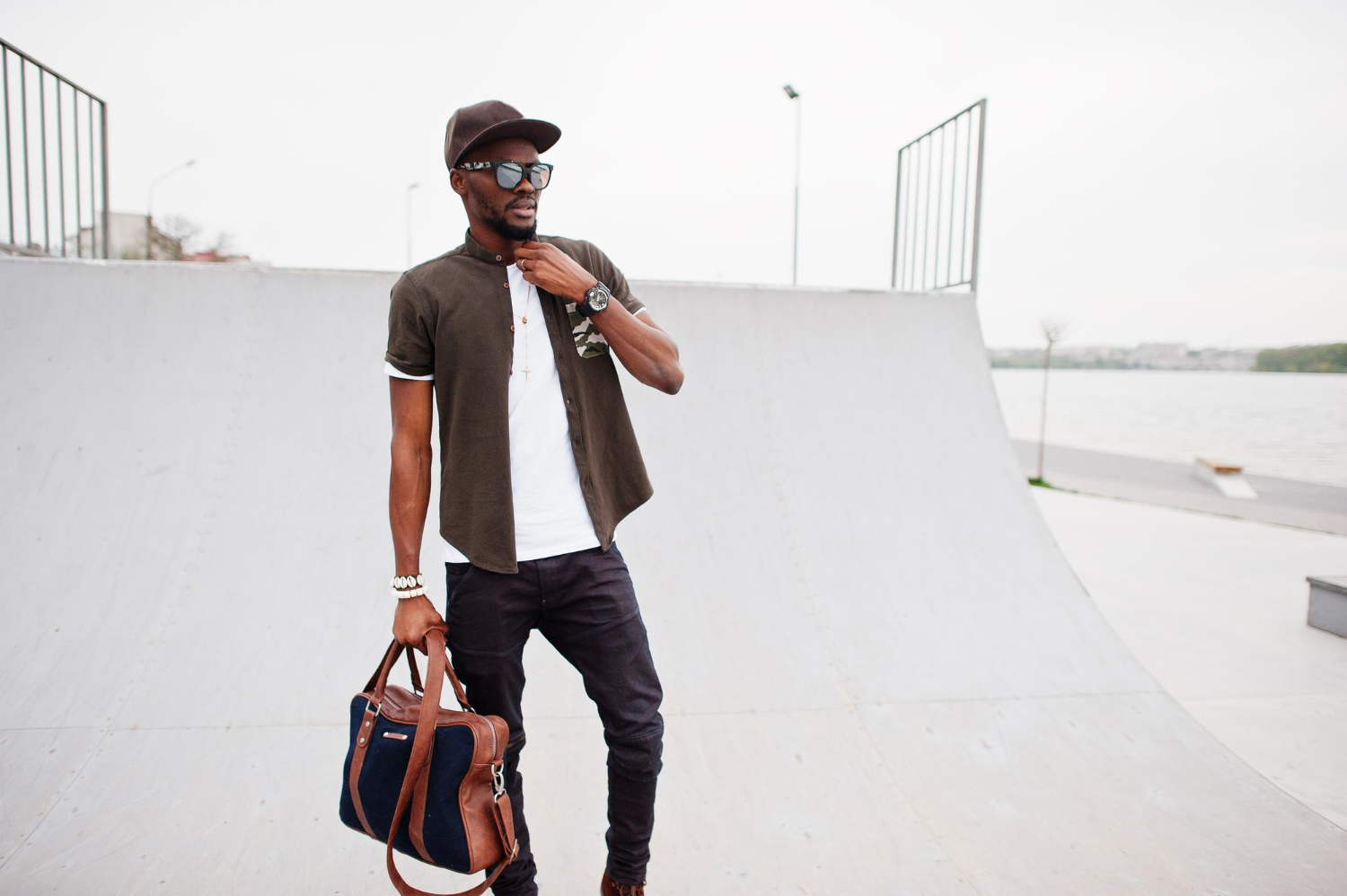
Saturday morning.
You’ve got somewhere to be — brunch, a walk with your partner, maybe just errands and a coffee run — and you’re standing in front of your closet completely stuck.
Not because you don’t own clothes.
You’ve got plenty.
The problem is that none of it seems to go together in a way that feels right.
You end up in the same faded t-shirt and the same jeans you always wear, telling yourself it’s “fine,” even though you know you could look better with barely any extra effort.
This is one of the most common style frustrations men run into, and it’s rarely about a lack of clothes. It’s about not having a system for putting them together.
Weekdays are easy because most jobs come with an unspoken dress code that tells you what to wear. Weekends have no such guardrails.
That freedom is exactly what makes building a good weekend outfit so much harder than picking a work outfit — there’s no uniform to fall back on, so every decision is yours to make.
The good news is that dressing well on the weekend isn’t about owning more clothes, following trends, or spending more money.
It’s about understanding a small number of principles — fit, proportion, color, texture, and layering — and knowing how to apply them in the right order.
Once you understand that order, you’ll stop guessing every Saturday morning and start building outfits with actual intention.
That’s what this guide is going to teach you: not a list of outfits to copy, but a repeatable process you can use for the rest of your life, no matter what’s currently in your closet.
Why Weekend Dressing Trips Up So Many Men
At work, even in a business casual office, there’s a template. Collared shirt, chinos or dress pants, close-toed shoes.
You might not love the template, but it removes decision fatigue. You get dressed on autopilot.
The weekend removes that template entirely, and most men fill the gap in one of two ways.
The first group overcorrects into “comfort mode” — sweatpants, an old graphic tee, whatever’s clean — and ends up looking like they’ve given up, even if that’s not the intention.
The second group overcorrects the other way, trying too hard with an outfit that feels stiff or overdressed for a casual Saturday, which can look just as awkward as underdressing.
The actual goal sits in the middle: an outfit that looks put-together but still feels relaxed.
Getting there consistently requires understanding why certain combinations work, not just memorizing them.
If you only memorize outfits, you’re stuck the moment you’re shopping for something new or packing for a trip. If you understand the underlying logic, you can build a good outfit out of almost anything you own.
One mistake I see repeatedly is men treating weekend style as an afterthought — something you throw together in thirty seconds because “it’s just the weekend.”
But weekend outfits are often the ones you’re photographed in, remembered in, and seen in by people outside your usual work circle. It’s worth a little more thought than it usually gets.
The Four Building Blocks of Any Good Outfit
Before we get into specific weekend looks, you need to understand the four things that determine whether an outfit works: fit, proportion, color, and texture.
Everything else — trends, specific pieces, brand names — is secondary. Get these four right, and almost any combination of clothes will look intentional.
1. Fit Comes Before Everything Else
Most men focus on the wrong thing when they’re trying to upgrade their style.
They think about buying newer, trendier, or more expensive pieces, when the real problem is usually that their current clothes don’t fit them properly.
Here’s why fit matters so much: clothing that fits correctly follows the natural lines of your body, which makes you look more put-together no matter what the actual garment is.
A plain grey t-shirt that fits well through the shoulders and chest, without pooling at the waist or bunching under the arms, will always look better than an expensive designer shirt that’s a size too big or too small.
Fit is the difference between the clothes you wear and you.
The three fit checkpoints that matter most:
- Shoulders. The seam where the sleeve meets the shirt should sit right at the edge of your shoulder bone. If it droops down your arm, the shirt is too big; if it pulls and creates a small dent, it’s too small.
- Waist and torso. There should be a visible taper from your chest to your waist on a fitted shirt — not a straight column of fabric, and not so tight that the fabric strains across your stomach.
- Length. Shirts should end around the middle of your zipper when your arms are relaxed at your sides. Pants should break just slightly at the shoe, or sit at the ankle for a more modern, cropped look — either is fine as long as it’s intentional and not accidental.
This simple change usually makes the biggest difference in how a man’s wardrobe looks overall, and it costs nothing beyond the price of a decent tailor. Getting two or three key pieces tailored — a blazer, a pair of trousers, a shirt — often does more for your appearance than buying five new items.
2. Proportion Shapes How the Whole Outfit Reads
Proportion is about the relationship between pieces, not just how each piece fits on its own. This is where a lot of otherwise well-fitted outfits still fall flat.
Think of your outfit in two halves: top and bottom. If both halves are equally loose or equally fitted, the outfit tends to look either sloppy (everything baggy) or stiff (everything tight).
The most flattering weekend outfits usually balance one relaxed element with one more fitted element.
A slightly oversized overshirt looks intentional over a fitted t-shirt and slim trousers. A boxy, heavier sweater works well with slim-fitting jeans.
But an oversized sweater over baggy jeans usually reads as shapeless, because there’s nothing in the outfit creating contrast or structure.
This same principle explains why cuffing your jeans or rolling your sleeves can instantly improve an outfit — it’s not really about the fold itself, it’s about reintroducing a clean line and proportion break where there wasn’t one before.
3. Color Coordination Is Simpler Than You Think
Color intimidates a lot of men because they assume it requires some kind of artistic instinct they don’t have. In reality, most well-dressed outfits rely on a very small, learnable set of rules.
Rule one: build around a neutral base. Navy, grey, white, black, beige, and olive form the foundation of almost every good casual wardrobe because they all coordinate with each other without any real risk of clashing. If most of your wardrobe lives in this neutral family, you can mix and match almost anything and it will work.
Rule two: use the 60-30-10 approach. This is a rule borrowed from interior design that works surprisingly well for outfits. Let one color dominate roughly 60% of the outfit (usually your pants or a jacket), a second color take up about 30% (your shirt or sweater), and a third color show up in the remaining 10% as an accent (a watch strap, socks, or a subtle pattern). This keeps outfits from looking either too monotone or too busy.
Rule three: monochromatic doesn’t mean matching exactly. Wearing different shades of the same color family — a heather grey sweater with charcoal trousers, for example — creates a clean, elevated look without needing to think about color matching at all. This is one of the easiest tricks for looking sharper without any added effort.
Rule four: one bold color per outfit, maximum. If you want to wear a brighter color — a burnt orange jacket, a bold blue shirt — let it be the one loud element and keep everything else neutral around it. Two competing bold colors is what usually makes an outfit feel chaotic rather than stylish.
4. Texture Adds Depth Without Adding Complexity
Texture is the most overlooked of the four building blocks, and it’s also the easiest way to make a simple, neutral outfit look considered rather than boring. If you wear all one color, texture is what keeps the outfit from looking flat.
A cotton t-shirt, a linen overshirt, and suede boots are all technically “neutral,” but the contrast in materials gives the outfit visual interest that color alone can’t provide. This is why a plain white t-shirt, dark jeans, and a canvas or suede sneaker often looks more expensive than an outfit with more “stuff” going on — the texture contrast is doing quiet work in the background.
Building a Weekend Outfit From Scratch: The Step-by-Step Process
Now that you understand the four building blocks, here’s the actual process for assembling a weekend outfit — whether you’re getting dressed that morning or building out a new wardrobe from nothing.
Step 1: Start With an Anchor Piece
Every good outfit starts with one piece you build everything else around. This could be a jacket you love, a pair of boots, or even just the pants you feel most comfortable in.
Starting with an anchor piece prevents the common trap of trying to coordinate five items at once, which is where decision fatigue and mismatched outfits usually come from.
If you’re just getting started and don’t have an obvious anchor piece yet, a well-fitted pair of dark jeans or chinos is the easiest one to build around, since both pair with almost everything else in a neutral wardrobe.
Step 2: Choose Your Top Based on Contrast, Not Just Preference
Once you have your anchor piece, choose a top that creates the fit contrast discussed earlier.
If your anchor piece is slim trousers or fitted jeans, look for a slightly looser top — a relaxed t-shirt, a boxier overshirt, or a chunky knit.
If your anchor piece is already a looser, wider-leg pant, balance it with something more fitted on top, like a close-fitting Henley or polo.
Step 3: Add a Layer With Purpose, Not Just for Show
A layer — an overshirt, a light jacket, an unstructured blazer, or a cardigan — instantly makes a weekend outfit look more finished, but only if it’s doing something functional.
The layer should either add warmth, add texture contrast, or add a color that pulls the outfit together.
If a jacket doesn’t do at least one of these three things, it’s usually better left at home, since an unnecessary layer can make an outfit look cluttered rather than complete.
An unstructured blazer, in particular, is one of the most underused pieces in casual menswear.
Unlike a suit jacket, it has minimal shoulder padding and a softer construction, so it drapes naturally over a t-shirt or crewneck without looking like you’re dressed for the office.
It’s a small addition that instantly elevates jeans-and-a-tee into something that looks like actual effort went into it — even though it takes about ten extra seconds to put on.
Step 4: Choose Footwear Last, Not First
A lot of men choose their shoes at the very beginning, then build the rest of the outfit to “match” the shoes.
This backwards approach usually limits your options unnecessarily. Instead, finalize your top, bottom, and layer first, then choose footwear based on the formality level you’ve already created.
As a rough guide:
- Clean white sneakers or minimalist leather sneakers work with almost any casual outfit and instantly read as put-together without trying too hard.
- Suede desert boots or chukkas add a slightly more elevated, textured look — good for dinner dates, coffee meetings, or fall and winter weekends.
- Loafers bridge the gap between casual and smart casual, working well for brunches, weddings with a relaxed dress code, or family gatherings.
- Canvas sneakers lean more relaxed and work well for errands, travel days, and casual outdoor plans.
Step 5: Add One Accent, Then Stop
The final step is adding a single accent — a watch, a simple bracelet, a canvas tote or crossbody bag, or a pair of sunglasses.
This is where the 10% color accent from the earlier rule usually shows up.
The keyword here is one. Adding several accessories at once usually reads as trying too hard, while a single, well-chosen accent reads as effortless.
Layering for Weekend Weather and Versatility
Layering isn’t just about staying warm — it’s one of the most effective tools for making a small wardrobe feel much bigger.
A few well-chosen layering pieces let you create a dozen different outfit combinations out of the same core basics.
The most versatile weekend layers, in rough order of usefulness:
- An overshirt (sometimes called a shirt-jacket) in a slightly heavier cotton or flannel. It works buttoned as a light jacket or open over a t-shirt.
- A crewneck sweater in a neutral color like navy, grey, or oatmeal, which layers cleanly over a collared shirt or under a jacket.
- An unstructured blazer, ideally in a soft cotton, linen blend, or unlined wool, for slightly dressier weekend occasions.
- A field jacket or trucker jacket, which adds texture and a slightly rugged edge without looking too casual.
The reason these four pieces get so much use is that they all pair well with the neutral base pieces discussed earlier.
Instead of buying an entirely new outfit for each weekend plan, you’re recombining the same reliable pieces in different ways — which is both more affordable and, honestly, more efficient than constantly shopping for something new.
Read also: How to Dress Sharp on a Tight Budget
Dressing for Different Weekend Scenarios
Style advice that ignores context isn’t very useful, because what works for a coffee meeting doesn’t necessarily work for a backyard family gathering.
Here’s how the same building blocks shift depending on where you’re actually going.
Casual errands and coffee runs. This is where comfort matters most, but comfort doesn’t have to mean sloppy. A well-fitted t-shirt, dark jeans, and clean sneakers take the same effort as a stretched-out tee and old sweatpants, but look noticeably more intentional.
Brunch or a casual dinner date. This is where the unstructured blazer or overshirt earns its keep. Adding one layer over a simple base — a plain shirt or Henley and chinos — signals that you made an effort without looking overdressed for a casual restaurant.
Weekend travel. Comfort and practicality take priority, but that doesn’t mean giving up on fit and color coordination. Stick to breathable, slightly stretchy fabrics in your existing neutral palette, and lean on layers you can easily add or remove as temperatures change through the day.
Family gatherings. These often sit between casual and smart casual, especially if older relatives are involved. A collared shirt (short or long sleeve, depending on season) with chinos and loafers or clean sneakers usually reads as respectful without feeling like you’re overdressing for a backyard barbecue.
Weddings with a relaxed dress code. When the invitation says “casual” or “no strict dress code,” most men either panic and overdress in a full suit, or underdress in jeans. The middle ground — dress pants or elevated chinos, a blazer, and a collared shirt, without a tie — almost always reads correctly.
Carrying over from Casual Friday. If you’re heading straight from a business casual office into weekend plans, the easiest fix is swapping one piece: trade dress shoes for clean sneakers, or lose the blazer for an overshirt. Small swaps like this shift the entire feel of an outfit without requiring a full outfit change.
Dressing for Your Body Type: Creating Balance, Not Chasing Trends
Every recommendation in this guide is really about one goal: creating visual balance. What creates balance looks slightly different depending on your build, but the underlying principle — proportion — never changes.
Slim builds often benefit from adding visual width and texture rather than more fitted clothing, since overly slim-fitting clothes can emphasize a lean frame in a way that reads as underdeveloped rather than lean and sharp. Layering, textured knits, and slightly roomier (not baggy) cuts through the shoulders and chest add helpful visual bulk.
Athletic builds usually need extra room through the chest, shoulders, and arms without excess fabric everywhere else, since standard-fit clothing is cut for a straighter torso. Looking for “athletic fit” labeling, or simply sizing up and tailoring the waist, solves most of the fit issues athletic men run into.
Broad or larger builds benefit most from structured fabrics that hold their shape (like a mid-weight cotton or wool blend) rather than very soft, clingy materials, along with vertical lines from things like button plackets or subtle pinstripes, which help elongate the silhouette.
Shorter men benefit from keeping proportions consistent — avoiding oversized layers that overwhelm the frame — and from a higher-rise pant that elongates the leg line, along with a shorter jacket length that doesn’t cut the body into two overly short segments.
Taller men have more room to experiment with proportion and layering, but should watch sleeve and pant length carefully, since off-the-rack clothing is rarely cut long enough and ill-fitting length is one of the fastest ways to undercut an otherwise good outfit.
Older men often look their best leaning into quality fabric and clean, classic silhouettes rather than closely chasing younger, trend-driven fits. A well-fitted crewneck, tailored trousers, and quality leather footwear tend to age extremely well and rarely look dated, even years later.
None of these are rules about what you’re “allowed” to wear — they’re just starting points for understanding why certain fits and cuts tend to flatter certain frames, so you can make an informed choice rather than guessing.
Common Weekend Outfit Mistakes (and How to Fix Them)
Mistake: everything is the same fit. An all-loose or all-tight outfit usually looks unintentional. Fix it by contrasting one relaxed piece with one more fitted piece, as covered in the proportion section above.
Mistake: shoes that don’t match the effort level of the rest of the outfit. Worn-out sneakers under an otherwise sharp outfit (or dress shoes with sweatpants) breaks the whole look, because footwear is one of the first things people notice. Keep at least one pair of clean, versatile sneakers or boots in rotation specifically for this reason.
Mistake: too many colors or patterns at once. This usually comes from trying to look interesting by adding more, rather than by adding better. Simplify back down to the 60-30-10 rule and let texture do the work instead of extra colors.
Mistake: ignoring length and tailoring. Sleeves that are too long, pants that pool at the ankle, or shirts that are too long or too short are some of the most common — and most fixable — issues in men’s style. A local tailor can usually fix these for a small fraction of the cost of buying new clothes.
Mistake: buying trend pieces instead of building a base. Trend items look exciting in the moment but often end up unworn within a year, because they don’t combine easily with the rest of your wardrobe. The difference between fashion trends and timeless style is that trends are designed to feel new by making what you already own feel outdated, while timeless pieces are chosen specifically because they keep working with everything else you buy afterward.
Building a Weekend Capsule: Fewer Pieces, More Outfits
One of the most efficient things you can do for your weekend style is build what’s often called a capsule wardrobe — a small, deliberately chosen set of pieces that all coordinate with each other, so you can create far more outfit combinations than the number of items would suggest.
A simple weekend capsule might include:
- 2–3 neutral t-shirts (white, grey, navy)
- 1–2 collared shirts (chambray or oxford cloth)
- 1 crewneck sweater
- 1 overshirt or field jacket
- 1 unstructured blazer
- 2 pairs of pants (one dark jean, one chino)
- 1 pair of clean sneakers
- 1 pair of boots or loafers
That’s roughly 12 pieces, but because every item was chosen specifically to coordinate with the others, this capsule can realistically produce 30 or more distinct outfit combinations. This is also why building around versatile basics creates more outfit combinations than buying flashier, more specific pieces — a plain navy sweater works with everything in your closet, while a loud printed shirt only really works with one or two other items you own.
Shopping Smarter: How to Avoid Wasting Money on Clothes You Won’t Wear
A lot of wardrobe frustration doesn’t come from a lack of shopping — it comes from shopping without a plan. Here’s how to avoid ending up with a closet full of things you never actually reach for.
Buy for your existing wardrobe, not in isolation. Before buying anything new, ask what it will pair with in your closet right now. If the honest answer is “nothing yet,” that’s a signal you’re buying an isolated piece rather than expanding a working wardrobe.
Prioritize fabric quality over logos or trends. A well-made cotton or wool-blend piece in a classic cut will still look good in five years. A trend-driven piece with a recognizable logo often feels dated within a season or two, regardless of the price tag.
Try the “three-outfit” test before buying. Before purchasing something new, try to picture three different outfits you could build around it using clothes you already own. If you can’t picture at least two, it’s probably not a smart purchase yet.
Spend more on the pieces you wear most often. It usually makes more sense to spend a bit more on a pair of jeans or a jacket you’ll wear weekly than on an occasion piece you might wear twice a year. Cost-per-wear is a far more useful way to think about value than the sticker price alone.
Make affordable clothing look more expensive through fit and care. Getting an inexpensive shirt properly tailored, ironing or steaming it before wearing, and pairing it with quality footwear will consistently make it look more expensive than it actually was — often more effective than spending extra on the shirt itself.
Where Confidence Actually Comes From
It’s worth saying plainly: confidence in how you dress rarely comes from owning more clothes or following every trend. It comes from consistency — knowing that the pieces in your closet work together, that they fit you properly, and that you don’t have to think hard every morning to look put-together. Confidence often comes from consistency rather than complexity, and the men who look most naturally stylish usually aren’t wearing anything complicated. They’ve simply built a small, reliable system, and they trust it.
That’s really the goal of everything in this guide — not to memorize a list of “correct” weekend outfits, but to understand the reasoning well enough that you can build a good outfit out of whatever you already own, or whatever you decide to buy next.
Frequently Asked Questions
How many outfits do I actually need for a solid weekend rotation? You don’t need as many as you think. Somewhere between five and eight well-coordinated pieces that all pair with each other will typically produce more usable outfit combinations than a closet with thirty unrelated items. Focus on coordination between pieces rather than raw quantity.
Is it okay to wear the same jeans multiple days in a row? Yes, assuming they’re not visibly dirty or worn through. Denim doesn’t need washing after every single wear, and rotating between two or three pairs actually extends their lifespan compared to wearing (and washing) a single pair constantly.
What’s the single best first purchase for improving weekend style? For most men, it’s a well-fitted pair of dark jeans or chinos, since they act as the anchor piece for the widest range of outfits. The second-best purchase is usually an unstructured blazer or a quality overshirt, since both instantly add a finished layer to simple outfits.
Do I need to match my belt to my shoes? It’s a nice-to-have, not a strict rule, especially in casual weekend outfits. Staying within the same color family (both brown, or both black) is generally enough — they don’t need to be an exact shade match.
How do I know if a piece of clothing actually fits, versus just being the size I usually buy? Rely on the checkpoints, not the size tag. Check the shoulder seam placement, whether there’s a visible waist taper on fitted tops, and whether sleeves or pant hems end where you want them to. Sizing varies enormously between brands, so the number on the tag matters far less than how the garment actually sits on your body.
Can I mix patterns in a casual weekend outfit? You can, but it’s easier to get wrong than right. If you want to try it, keep one pattern small-scale (like a fine check) and the other larger-scale (like a wide stripe), and make sure they share at least one color so they still feel connected.
What should I do if most of my current wardrobe doesn’t fit properly? Start with your most-worn pieces rather than trying to fix everything at once. Take two or three go-to items to a tailor for basic adjustments — usually the waist, sleeve length, or hem — before spending money on anything new. It’s a faster and cheaper first step than replacing your whole wardrobe.
How do I dress well for the weekend without spending a lot of money? Focus your budget on fit and a small number of versatile neutral pieces rather than spreading it across many trend items. A properly tailored, inexpensive shirt will consistently outperform an expensive shirt that doesn’t fit, and a few well-chosen neutral basics will get more use than a closet full of statement pieces.
Is it possible to be “too matchy” with a weekend outfit? Yes. An outfit where everything is the exact same color and fabric type can look stiff or costume-like rather than intentional. This is why mixing in at least one texture contrast — a knit sweater with a woven shirt collar peeking out, for example — usually looks more natural than an outfit that matches too perfectly.
How often should I be reevaluating or updating my wardrobe? Rather than working on a strict schedule, reevaluate whenever a piece stops fitting into your current combinations, wears out, or no longer fits your body the way it used to. A wardrobe built on solid basics doesn’t need frequent overhauls — small, occasional additions usually keep it feeling current.
Final Thoughts
You don’t need to overhaul your entire closet this weekend, and you shouldn’t try to.
Pick one thing from this guide — maybe it’s finally getting that one shirt tailored, maybe it’s adding an overshirt you can throw over your usual t-shirt and jeans — and start there.
The goal isn’t to arrive at some finished, perfect wardrobe. It’s to build a habit of dressing with a little more intention each time you get ready, until it stops feeling like effort at all and just becomes how you naturally get dressed.
Read also: