How to Dress for a First Date Without Overthinking It
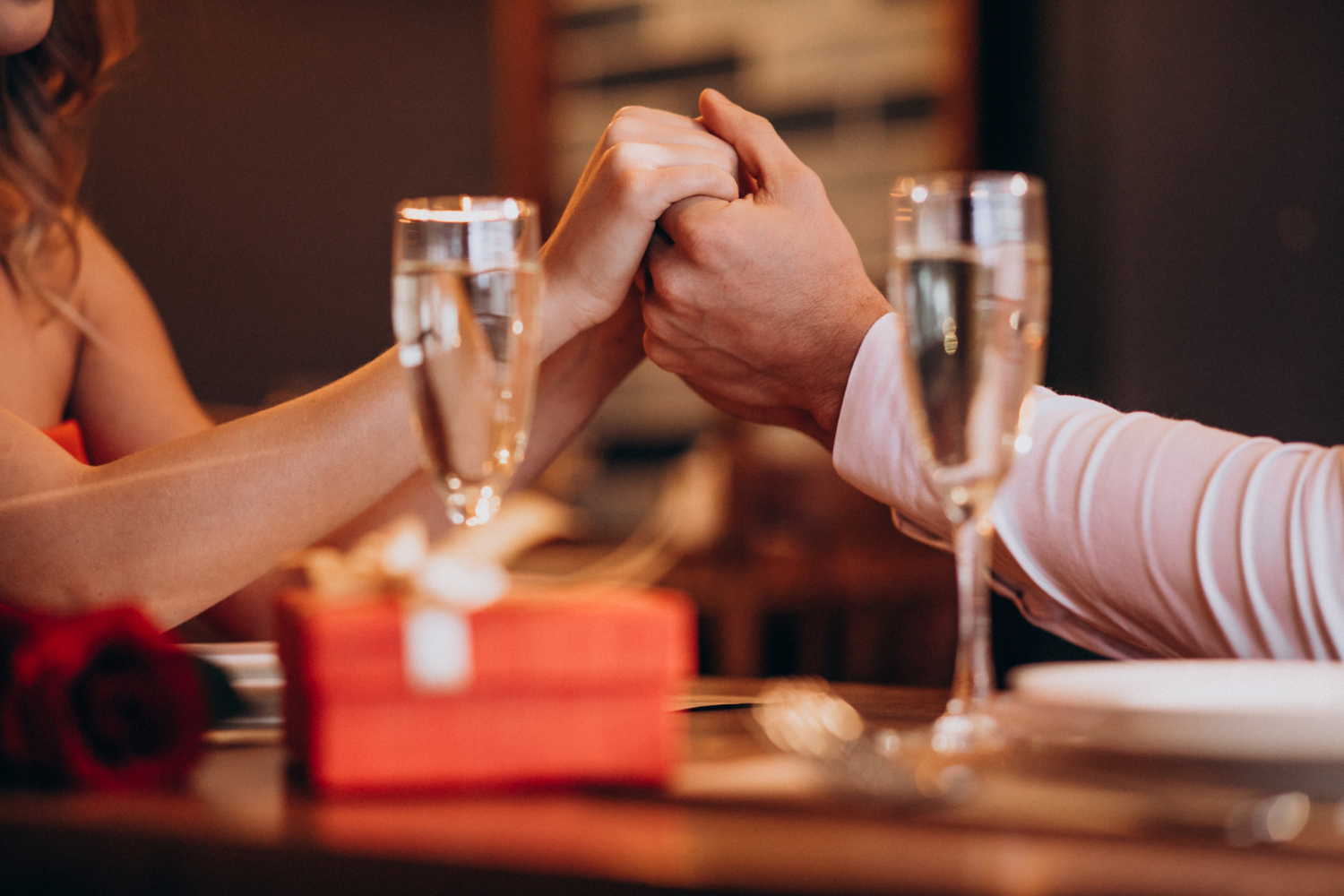
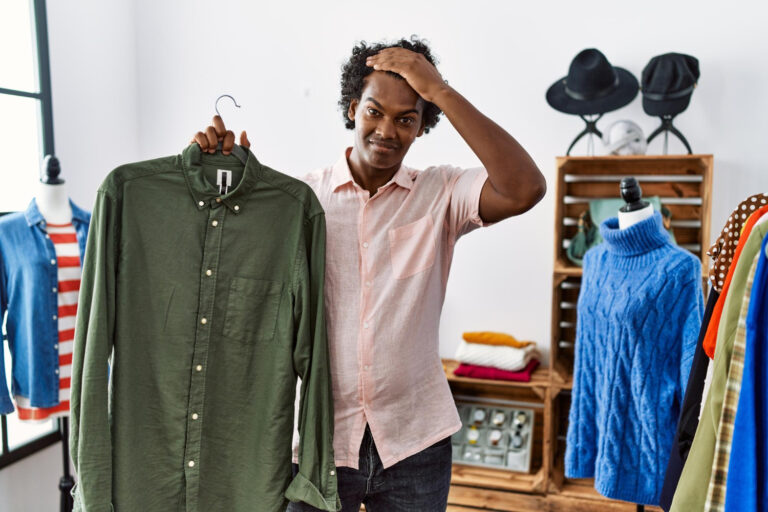
You’ve got a date tomorrow night, and you’ve already changed shirts three times.
One felt too dressy.
One felt too plain. One made you second-guess whether the color even worked.
By the time you finally pick something, you’ve spent twenty minutes stressing over an outfit instead of thinking about anything else — the conversation, the restaurant, actually looking forward to it.
This is one of the most common ways men sabotage their own confidence before a date even starts.
It’s not that they don’t own decent clothes. It’s that first-date dressing feels like it has extra weight attached to it — like the outfit itself is being judged, rather than just being part of the evening.
That pressure leads to overthinking, last-minute outfit changes, and showing up feeling unsure of yourself rather than comfortable.
Here’s the truth that actually solves this problem: a good first date outfit isn’t about finding some perfect, impressive combination. It’s about looking like a slightly better, more put-together version of yourself — nothing more dramatic than that.
Once you understand what that actually means in practice, you can get dressed in ten minutes and stop treating it like a test you might fail.
That’s what this guide is going to walk you through: the actual principles behind first-date dressing, how to read the specific date and venue, and how to build an outfit that lets you focus on the date instead of your shirt collar.
Why First Dates Make Men Overthink Their Clothes
Most day-to-day dressing decisions are low-stakes. Nobody’s evaluating your outfit at the grocery store.
A first date feels different because there’s a person on the other end forming an impression of you, and clothing is one of the first things they notice before you’ve said a single word.
That’s true, but it’s also where a lot of men take the wrong lesson from it. The instinct becomes “I need to look impressive,” which leads to overdressing, borrowing style cues from red carpets or magazines, or trying out a look you’ve never actually worn before.
The problem is that clothes you’re not used to wearing usually show — you’ll adjust your collar too much, feel stiff in a blazer you rarely wear, or worry about a shoe choice all night instead of relaxing into the conversation.
One mistake I see repeatedly is men treating a first date like an audition where the outfit needs to prove something.
In reality, the outfit’s job is much simpler: remove any reason for your date to notice something off — wrinkled, ill-fitting, mismatched — so the actual conversation can do the work.
Good first-date style is supportive, not the main event.
The Real Goal: Effortless, Not Impressive
If you remember one idea from this entire guide, make it this one: the best first-date outfits look like you didn’t try too hard, even though you clearly put some thought into them.
That’s a very different goal than “impressive,” and it changes almost every decision that follows.
An impressive outfit chases attention — a bold pattern, a statement jacket, something meant to stand out. An effortless outfit does the opposite.
It’s clean, well-fitting, and slightly elevated from your everyday baseline, but nothing about it screams for attention.
This matters because a date is a conversation, not a performance, and clothing that’s constantly drawing attention to itself competes with the actual connection you’re trying to build.
This simple change usually makes the biggest difference for men who feel like they’re bad at dressing for dates: stop trying to look impressive, and start trying to look like the sharpest, most comfortable version of your regular self.
The Foundation: What Actually Signals Effort
Before getting into specific outfit ideas, it helps to understand exactly which details communicate effort to another person, because it’s a much shorter list than most men assume.
Fit Is the Single Biggest Signal
Nothing communicates effort — or lack of it — faster than fit. A shirt that fits properly through the shoulders and chest reads as intentional, even if it’s a plain, inexpensive t-shirt.
A designer shirt that’s too big or too small reads as careless, no matter how much it costs.
This is worth internalizing because it removes a lot of the financial pressure people feel around date-night dressing.
You don’t need new or expensive clothes. You need clothes that actually fit the body you have right now.
Quick fit check before any date: shoulder seams should sit at the edge of your shoulder, not droop down your arm; there should be a slight taper at the waist rather than a straight boxy shape; and sleeves and pant hems should land at a clean, intentional length rather than bunching or dragging.
Grooming and Care Details Matter as Much as the Clothes Themselves
A slightly wrinkled shirt, visible pilling on a sweater, or scuffed-up shoes undercut an outfit faster than almost anything else, because they read as a lack of attention rather than a style choice.
Five extra minutes with a steamer or iron, and a quick wipe-down of your shoes before you leave, will do more for how put-together you look than any specific outfit decision.
Read also: How to Dress Sharp on a Tight Budget
One Deliberate Detail Beats a Whole Outfit of “Safe”
If everything about your outfit is completely neutral and safe, it can come across as a little forgettable.
One small, deliberate detail — a nice watch, a textured jacket, a slightly bolder shirt color — gives your date something to notice and gives you a small talking point if it comes up naturally.
The keyword is one. A single deliberate choice reads as personal style. Three or four competing “statement” pieces read as trying too hard.
Reading the Date: Matching the Outfit to the Actual Plan
A lot of first-date overthinking disappears once you stop trying to find one “perfect first date outfit” and instead build the outfit around the actual plan for the evening. Context changes everything.
Coffee or Daytime Casual Date
This is the lowest-pressure first-date format, and the outfit should match that energy.
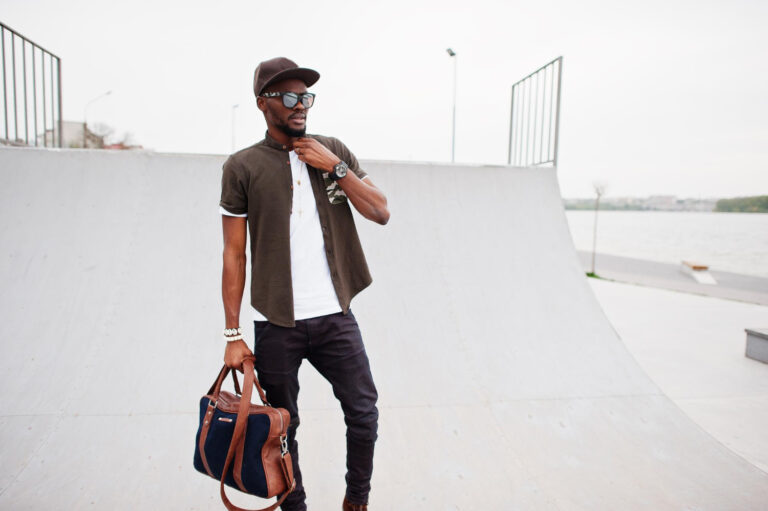
A well-fitted t-shirt or Henley, dark jeans or chinos, and clean sneakers is almost always the right call.
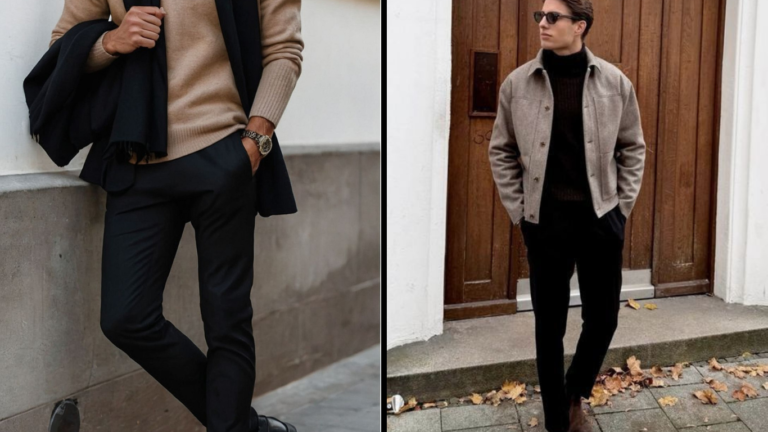
Adding an overshirt or light jacket if the weather calls for it gives the outfit a bit more shape without pushing it toward “trying too hard” for a casual coffee meetup.
Dinner Date at a Casual-to-Mid-Range Restaurant
This is the most common first-date format, and it calls for a small step up from daytime casual.
A collared shirt (a plain Oxford or chambray works well) or a quality knit polo, paired with chinos or dark jeans, is a reliable base.
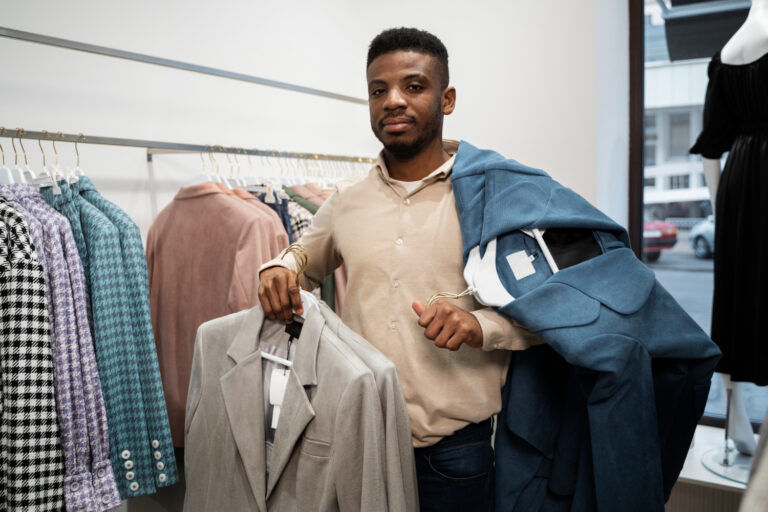
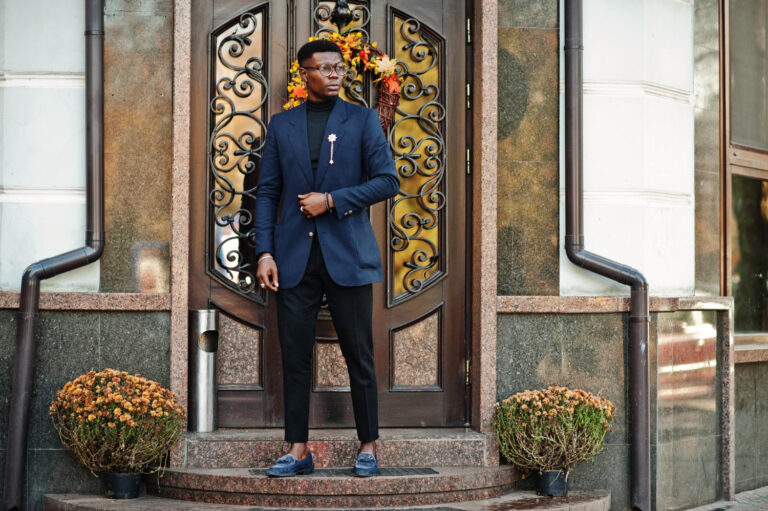
This is where an unstructured blazer earns its place — throwing one over a simple shirt instantly signals effort without pushing into formal territory.
Footwear should shift slightly more polished, too: leather sneakers, loafers, or clean suede boots rather than very casual canvas sneakers.
Upscale Restaurant or a Date Following Work
If the restaurant leans more formal, or if the date is happening straight after work, it makes sense to lean into a slightly dressier version of the same principles: a tailored button-up shirt, dress trousers or dark, well-fitted chinos, and leather shoes.
A blazer is a near-automatic addition here. The goal still isn’t a full suit unless the venue specifically calls for one — most modern upscale-casual restaurants read a well-fitted shirt and blazer as entirely appropriate.
Activity-Based Date (Walk, Museum, Outdoor Plans)
Activity dates need clothing that can actually move with you, which changes the priority order slightly. Prioritize comfort and practicality first, then layer in the same fit and color principles. A well-fitted, breathable layer combination — t-shirt, light overshirt or jacket, comfortable jeans, and supportive sneakers or boots — usually works better here than anything closer to dress clothes, which can feel stiff or impractical if the date involves walking, sitting on grass, or standing for a while.
Building the Outfit Step-by-Step
Once you know the general vibe of the date, use this same repeatable process every time, rather than starting from scratch with each new date.
Step 1: Pick your base layer first. This is your shirt, t-shirt, or Henley — whatever sits closest to your skin. Choose based on fit above all else, since this piece sets the tone for everything layered on top of it.
Step 2: Choose pants that create contrast, not repetition. If your top is fitted, a slightly more relaxed (but still tailored-looking) pair of pants balances it out. If your top is looser — an oversized knit, for example — a slimmer pant keeps the whole outfit from reading as shapeless.
Step 3: Add a layer only if it earns its place. A jacket, overshirt, or blazer should add warmth, texture, or a small color accent — not just exist for the sake of “looking finished.” If it’s genuinely too warm out for a layer, skip it rather than forcing one on.
Step 4: Choose footwear based on the venue, not personal habit. This is where a lot of men default to whatever’s already by the door, when a slightly more considered choice (clean sneakers instead of worn-out running shoes, loafers instead of flip-flops) makes a noticeable difference for very little extra effort.
Step 5: Stop after one accessory. A watch, a simple bracelet, or a subtle scent is plenty. Save the rest of your usual accessories for another day — first dates go better when the focus stays on conversation rather than on managing an elaborate outfit.
Color Choices That Work Well for Dates
Color decisions for a date don’t need to be complicated, but a few specific choices consistently perform well and are worth understanding.
Blue, in almost any shade, is a safe and flattering choice for most skin tones, which is part of why it shows up so often in date-night style advice. Navy in particular pairs easily with the rest of a neutral wardrobe and reads as calm and put-together without looking boring.
Earth tones — olive, tan, rust, warm brown — add warmth and depth without the same risk of clashing that brighter, more saturated colors can carry. These work especially well for fall and winter dates.
White and light grey create a clean, fresh look, particularly for daytime or summer dates, though they do require slightly more care to avoid looking wrinkled or dingy by the end of the evening.
Avoid overly busy patterns for a first date, specifically. This isn’t a rule about patterns being wrong in general — it’s about reducing the number of things your date has to process visually at once, especially early in the evening when you’re both still forming first impressions. A subtly textured knit or a simple, small-scale pattern reads as more approachable than a large, attention-grabbing print.
Body Type Considerations for Date Night
The same balance principles from everyday dressing apply here, with a slightly heavier focus on comfort, since a date usually means several hours of sitting, walking, and being fairly active in your clothes.
Slim builds benefit from slightly textured or structured layers — a knit sweater, a shirt with a bit of body to the fabric — rather than very thin, clingy materials that can make a lean frame look less substantial than intended.
Athletic builds should prioritize room through the chest and shoulders, paired with a more tailored waist, since standard-fit shirts often pull across the chest while hanging loosely everywhere else.
Broader or larger builds tend to look sharpest in structured fabrics that hold their shape well, along with vertical lines (a button placket, a slight pinstripe) that elongate the overall silhouette.
Shorter men benefit from keeping the outfit visually simple and proportionate — avoiding oversized jackets or long layers that can shorten the visual line of the body — and from a higher-rise pant that lengthens the leg.
Taller men generally have more flexibility with proportion, but should pay close attention to sleeve and pant length, since date-night confidence disappears quickly if you’re constantly tugging at short sleeves all night.
Common First-Date Style Mistakes
Wearing something completely new for the first time. New clothes can look stiff, feel unfamiliar, or come with small fit issues you haven’t noticed yet. If you want to wear something new, do a trial run at home or on a low-stakes outing first, so date night isn’t the debut.
Overdressing for the actual venue. Showing up in a full suit to a casual bar or coffee shop can feel mismatched and, in some cases, create pressure rather than ease. Match the outfit to the venue you’re actually going to, not to some general idea of “dressing up for a date.”
Underdressing out of nervousness about trying too hard. The opposite mistake also happens — some men swing so hard toward “casual” that they show up looking like they didn’t think about the date at all. The effortless middle ground discussed earlier avoids both extremes.
Overusing cologne. A little goes a long way, and it’s easy to misjudge how strong a scent is on your own skin after wearing it for a few minutes. Apply it a while before you leave, and stick to one or two pulse points rather than several.
Ignoring small details like fresh breath, clean nails, or a fresh haircut timing. These aren’t clothing choices, but they’re part of the same overall impression, and they’re some of the easiest things to control with a little advance planning.
Building a Small “Date Night” Rotation
Rather than reinventing your outfit for every date, it’s worth building a small rotation of two or three go-to combinations you already know work — fit checked, colors coordinated, and comfortable to wear for a few hours. This removes the last-minute stress entirely, since you’re choosing between outfits you already trust rather than assembling something new under time pressure.
A simple rotation might include:
- One casual daytime option (fitted tee, dark jeans, clean sneakers, light layer)
- One dinner-date option (collared shirt or knit polo, chinos, blazer, leather shoes)
- One slightly dressier option for a nicer venue (tailored shirt, dark trousers, blazer, leather shoes)
Having these three ready means you can match almost any date scenario without the twenty-minute mirror session, because the decision has already been made in advance.
Why Confidence Matters More Than the Outfit Itself
It’s worth saying directly: no outfit will do more for a first date than genuine confidence and being present in the conversation. Clothes can support that confidence by removing distractions — an ill-fitting shirt you keep adjusting, shoes that pinch, an outfit you’re not sure about — but they can’t manufacture confidence on their own.
This is really the underlying point of everything above. A well-fitted, appropriately chosen outfit isn’t about impressing your date with your clothes. It’s about removing clothing as something you have to think about at all once you sit down, so your attention can go where it actually matters.
Frequently Asked Questions
Is it ever okay to just wear jeans and a t-shirt on a first date? Yes, especially for a casual coffee date or daytime meetup. The key is making sure both pieces fit well and are clean and wrinkle-free — a well-fitted plain t-shirt and dark, properly fitting jeans read as intentional, while an oversized graphic tee and baggy jeans can read as careless, even though they’re technically the same category of clothing.
Should I ask my date about the dress code of the restaurant beforehand? It’s reasonable to ask casually, especially if you’re unfamiliar with the venue. Most restaurants list their general vibe (casual, upscale-casual, formal) on their website or a quick search, which is often easier than asking directly and can help you settle on an outfit with more confidence.
What if I sweat easily or get nervous — how do I dress around that? Lean toward breathable fabrics like cotton or linen blends rather than synthetic materials, which tend to trap heat and show sweat more visibly. Lighter colors also show sweat less obviously than very dark, saturated colors in warm conditions.
Is it better to be slightly overdressed or slightly underdressed? Slightly overdressed is generally the safer direction, since it’s easy to remove a layer (a blazer, for example) if you show up somewhere more casual than expected, but much harder to add formality you didn’t bring with you.
How much should I actually spend on a first-date outfit? You don’t need to spend anything extra if your existing wardrobe already includes well-fitting basics. If you’re building a small date-night rotation from scratch, focus your budget on one or two versatile pieces — a well-fitted shirt and a blazer, for instance — rather than an entire new outfit.
Does the season change any of this advice? The core principles stay the same, but layering choices shift. In warmer months, prioritize breathable fabrics and lighter colors; in colder months, a well-fitted overshirt, sweater, or jacket becomes part of the outfit itself rather than something you take off at the door.
What if I genuinely don’t know what to wear and have very little time before the date? Default to your most reliable, best-fitting basic combination — a plain fitted shirt or tee, dark jeans or chinos, and your cleanest pair of shoes. A simple, well-fitting outfit you’re comfortable in will always outperform a rushed, more elaborate outfit you’re unsure about.
Should I match my outfit to something my date has mentioned liking? It can be a nice, subtle touch if it comes up naturally (wearing a color they’ve mentioned liking, for example), but it shouldn’t be the deciding factor in your outfit. Prioritize fit and appropriateness for the venue first, and treat this as a small bonus detail rather than a requirement.
Is a full suit ever the right call for a first date? Only for genuinely formal venues or occasions — a nice event, a very upscale restaurant, or a date immediately following something like a wedding. For the vast majority of first dates, a full suit reads as overdressed and can create unnecessary pressure for both people.
How do I stop overthinking my outfit right before I leave the house? Set a hard time limit for getting dressed — ten minutes is plenty once you have a small rotation of outfits you already trust — and commit to your choice once you’ve checked the basic fit points. Continuing to second-guess an outfit that already fits well and matches the venue almost never leads to a better decision, just more stress.
Final Thoughts
Dressing for a first date doesn’t need to be complicated, and it definitely doesn’t need to take up your entire afternoon.
Once you understand that the goal is looking like a comfortable, well-fitted version of yourself — not putting on a performance — the whole process gets a lot easier.
Build a small rotation of outfits you trust, check the basic fit points, and let the rest of your energy go where it actually matters: showing up present and genuinely interested in the person across the table from you.
Read also: