How to Layer Clothes for Men: A Complete Guide
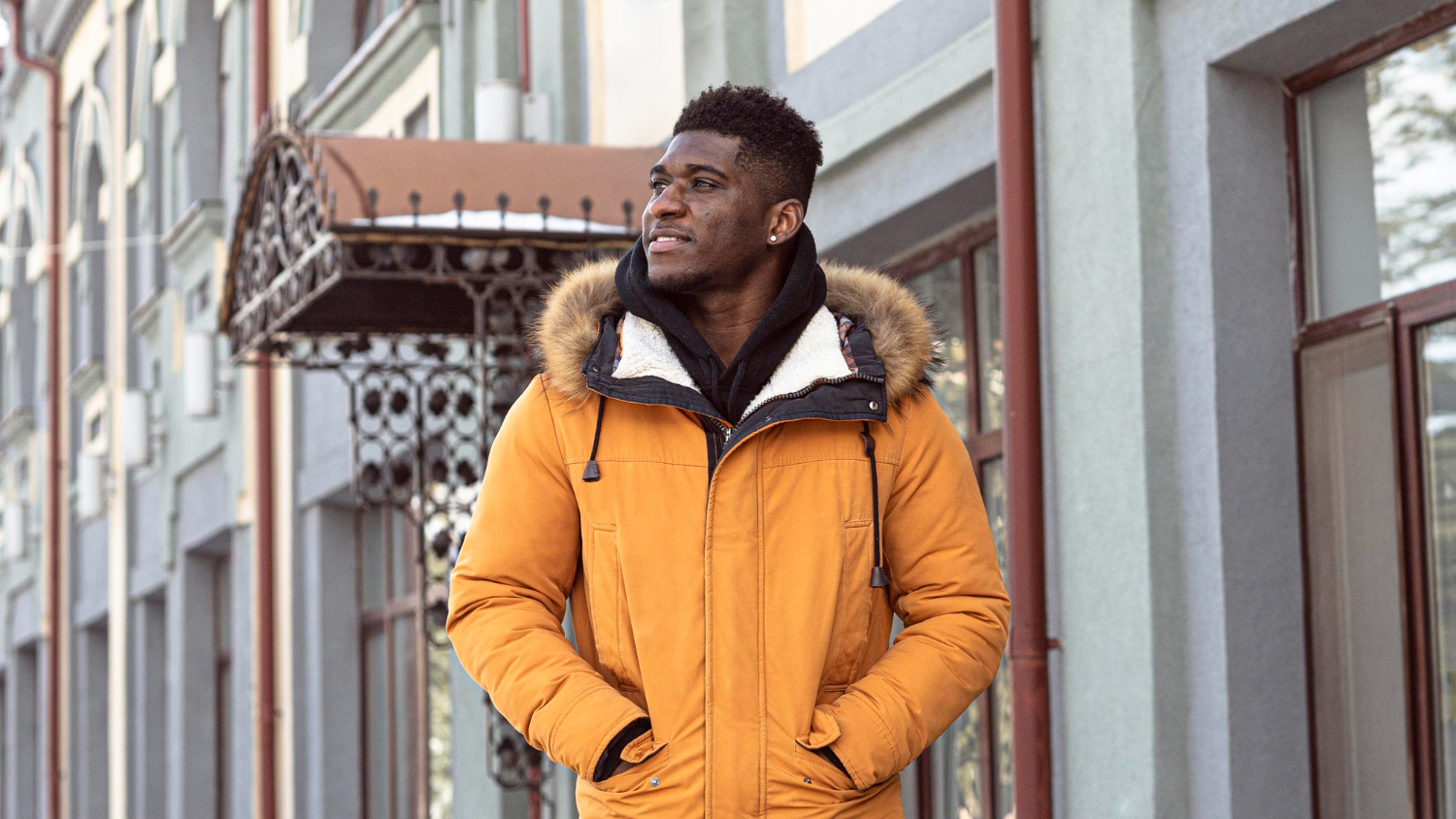
Layering gets treated as a winter survival skill, but that undersells what it actually does.
Done well, layering adds visual depth, texture, and proportion to an outfit that a single piece never could — which is why the best-dressed men you see aren’t necessarily wearing more expensive clothes, they’re usually just layering better.
The catch is that layering has a failure mode most men run into without realizing it: stacking pieces that are too similar in bulk or texture, which results in a stiff, padded silhouette instead of a considered one.
There’s a difference between “wearing multiple layers” and “layering well,” and that difference comes down to a small number of principles.
Quick answer: Effective layering follows three rules: vary the bulk between layers (thin base, medium mid-layer, structured outer layer), vary the texture so each layer is visually distinct, and make sure each layer is slightly looser than the one underneath it. Get those three right and almost any combination of pieces will work together.
This guide covers the full layering system — base, mid, and outer layers — how to adjust it by season, specific jacket-and-sweater combinations that work, and the mistakes that undermine an otherwise good layered outfit.
The Three-Layer System
Nearly every well-layered outfit, regardless of season or formality, breaks down into three functional layers. Understanding each layer’s job makes it much easier to build outfits without guessing.
Base Layer
Job: Sits directly against the skin; manages temperature and moisture.
Common base layers: t-shirts, henleys, thin button-up shirts, lightweight merino wool tops.
Why it matters: The base layer is often the only piece visible up close (at the collar, cuffs, or when an outer layer is removed), so its fit and color matter more than its bulk. It should be close-fitting without restricting movement, since anything bulkier here will add unwanted bulk to every layer stacked on top.
Mid Layer
Job: Provides the bulk of insulation and often carries the most visual texture in the outfit.
Common mid layers: sweaters, flannel overshirts, cardigans, vests, lightweight quilted jackets.
Why it matters: This is usually where texture and color get introduced — a chunky knit, a plaid overshirt, a waffle-knit henley worn as a mid layer. Because it sits between two other layers, the mid layer has more flexibility in fit than the base or outer layer; slightly relaxed is generally fine here.
Outer Layer
Job: Provides structure, weather protection, and usually defines the overall silhouette of the outfit.
Common outer layers: blazers, field jackets, overcoats, denim jackets, technical shells.
Why it matters: The outer layer is what most people see first, so its fit (particularly at the shoulders) matters more than any other layer. A structured outer layer over loosely layered pieces underneath creates a clean, tailored line even when the layers beneath are relatively casual.
Read also: How to Build an Outfit Around One Statement Piece
The Rules That Make Layering Work
Rule 1: Vary the Bulk Between Layers
Each layer should be noticeably different in thickness from the one next to it. A thin base layer under a medium-weight mid layer under a structured outer layer creates a clear visual progression. Stacking two thick pieces together (a chunky sweater under a heavy wool coat, for example) removes that progression and creates a stiff, overstuffed look instead.
Why this works: Visual progression in bulk reads as intentional layering. Uniform bulk across layers just reads as “wearing a lot of clothes.”
Rule 2: Vary the Texture
Pairing a smooth base layer (a plain cotton tee) with a textured mid layer (a cable-knit sweater or corduroy overshirt) adds visual interest without needing to add more color. Layering multiple smooth fabrics together, or multiple heavily textured pieces together, tends to look flatter and less considered by comparison.
Why this works: Texture contrast does a lot of the visual work that color variation usually gets credit for — which is part of why an all-neutral, texture-varied outfit can still look far from boring.
Rule 3: Size Each Layer Slightly Looser Than the One Beneath It
If your base layer fits close to the body, your mid layer should have a bit more room, and your outer layer more room still. This prevents each layer from compressing the one underneath, which causes bunching, restricted movement, and a bulky rather than structured silhouette.
Common mistake: Wearing a slim-fit base layer under an equally slim mid layer, which leaves no room for the two to sit naturally together and often results in visible bunching at the shoulders and underarms.
Layering by Season
Cool Transitional Weather (Early Fall, Late Spring)
Two-layer combinations usually work best here — a base layer plus one mid or outer layer, without needing a full three-layer system.
- A long-sleeve button-up (base) with an unstructured blazer or field jacket (outer), no separate mid layer needed.
- A lightweight crewneck sweater (mid layer) over a plain t-shirt (base), worn on its own without an outer layer.
Cold Weather (Winter)
This is where the full three-layer system earns its keep.
- Base: A merino wool or cotton long-sleeve top.
- Mid: A wool or cotton-blend sweater, or a flannel overshirt for a more casual look.
- Outer: A structured wool overcoat for smart occasions, or a heavier field jacket or parka for casual ones.
Fabric pairing tip: Wool mid layers under a wool or wool-blend outer layer create warmth without excess bulk, since wool insulates efficiently relative to its weight compared to some synthetic alternatives.
Warm Weather (Summer)
Layering in summer isn’t about warmth — it’s about adding visual structure to an otherwise simple outfit, usually through a single light layer.
- A lightweight, unstructured linen or cotton overshirt worn open over a plain t-shirt.
- A lightweight bomber or coach’s jacket worn open over a base layer, removed once indoors or once the temperature rises.
Why this still counts as layering: Even a single added layer changes the silhouette and adds a textural or color element that a plain t-shirt alone doesn’t provide — the same principles apply, just with lighter fabrics and usually only two layers instead of three.
Jacket and Sweater Combinations That Work
Sweater Under a Blazer
A well-fitted crewneck or v-neck sweater under a blazer, worn without a shirt underneath, creates a smart-casual look that’s warmer and less formal than a full shirt-and-tie combination.
Fit note: Make sure the sweater isn’t so bulky that it strains the blazer’s shoulders and buttons — this is one of the more common fit failures in this particular combination.
Shirt, Sweater, and Blazer (Three-Layer Smart Casual)
A collared shirt as the base, a lightweight sweater (crewneck or quarter-zip) as the mid layer with the shirt collar visible at the neck, and a blazer as the outer layer. This is one of the most versatile smart-casual layering combinations, working for business-casual offices, dinners, and semi-formal social events.
Flannel Overshirt Over a T-Shirt
A casual two-layer combination: a plain t-shirt as the base, with a flannel or brushed-cotton overshirt worn open or buttoned as the mid/outer layer. Works well in cool but not cold weather, and pairs easily with denim.
Field Jacket Over a Sweater
A more rugged combination: a sweater as the mid layer, topped with a cotton field jacket or chore coat as the outer layer. This works particularly well in transitional weather where a heavier coat would be too warm but a sweater alone isn’t quite enough.
Color and Pattern Coordination Across Layers
Layering multiplies the number of colors and patterns visible in an outfit at once, which makes coordination more important than it is in a single-layer outfit.
| Layer | Recommended Approach |
|---|---|
| Base | Solid neutral colors — these show at the collar and cuffs and are easiest to coordinate |
| Mid | Where texture or a single pattern can be introduced (a subtle plaid overshirt, a textured knit) |
| Outer | Usually a solid neutral, since it’s the largest visual block in the outfit |
General guideline: Keep patterns to one layer at a time. A patterned base layer (plaid shirt) under a patterned mid layer (fair isle sweater) under a solid outer layer usually looks busy rather than intentional; the same plaid shirt under a solid sweater and solid jacket reads as coordinated.
Layering Mistakes to Avoid
Mistake: Stacking Two Bulky Layers Together
Covered above, but worth repeating as the most common layering failure: a thick sweater under a heavy coat creates a stiff, overstuffed silhouette rather than a clean layered one.
Fix: If your mid layer is already heavy (a thick cable-knit sweater, for example), pair it with a lighter, less structured outer layer, or skip the outer layer entirely if weather allows.
Mistake: Ignoring How Layers Affect Overall Fit
A jacket that fits perfectly with no layers underneath may fit too tightly across the shoulders and chest once a sweater is added underneath.
Fix: Try on outer layers with the mid layer you actually intend to wear underneath, especially for structured pieces like blazers where shoulder fit is hard to alter.
Mistake: Treating Every Layer as Equally Visible
Not every layer needs to make a visual statement. Overloading each layer with a distinct pattern or bold color usually creates visual competition rather than a cohesive outfit.
Fix: Let one layer carry the visual interest (usually the mid layer) and keep the others simple and neutral.
Mistake: Removing an Outer Layer and Being Left with a Weak Outfit
If the outfit only “works” with the outer layer on, the layering underneath probably needs more attention — you’ll inevitably end up removing a coat or jacket indoors.
Fix: Make sure the base and mid layer combination looks complete on its own before adding the outer layer, so the outfit holds up regardless of temperature changes throughout the day.
Real-Life Example: Building a Layered Outfit from Scratch
Consider dressing for a cool, unpredictable fall day that starts cold and warms up by afternoon.
- Base layer: A fitted long-sleeve cotton henley in a neutral color — comfortable and presentable enough to be seen alone once outer layers come off.
- Mid layer: A medium-weight crewneck sweater in a contrasting but coordinating neutral (navy henley, grey sweater), providing the bulk of the warmth.
- Outer layer: An unstructured cotton field jacket, roomy enough to fit comfortably over the sweater without straining at the shoulders.
By late afternoon, the jacket comes off, leaving a sweater-over-henley combination that still looks complete. If the sweater comes off too, the henley alone still works as a simple, well-fitted base layer. Each stage of removing a layer leaves a functional, coordinated outfit — which is the actual test of whether a layering system is working.
Frequently Asked Questions
1. How many layers should a men’s outfit have? Two layers work for most transitional weather; three (base, mid, outer) are typical for cold weather. More than three usually adds unnecessary bulk without additional benefit.
2. What’s the biggest mistake men make when layering? Stacking two bulky layers together, such as a thick sweater under a heavy coat, which creates a stiff, overstuffed silhouette instead of a clean layered look.
3. Can I layer in summer, or is that only for cold weather? Yes — summer layering usually means one light layer (an open overshirt or unstructured jacket) added for visual structure rather than warmth, using lightweight fabrics like linen or cotton.
4. Should each layer be a different color? Not necessarily different colors, but different enough in shade or texture to be visually distinct. Solid neutrals across layers work well as long as texture varies somewhat between them.
5. How loose should an outer layer be over a sweater? Loose enough that the sweater doesn’t strain the jacket’s shoulders or buttons, but not so loose that the jacket looks oversized once the sweater is removed.
6. Is it okay to wear a patterned shirt under a patterned sweater? Generally, no — pairing two patterned layers tends to look busy. Keep pattern to one layer at a time and make the others solid.
7. What fabric works best for a base layer in cold weather? Merino wool is a strong option because it insulates well without adding bulk and manages moisture better than plain cotton in cold, active conditions.
8. Do I need a mid layer if I’m just wearing a t-shirt and a jacket? Not necessarily — a two-layer combination (base and outer only) works fine in mild weather. A mid layer becomes more important as temperatures drop and additional insulation is needed.
9. How do I keep a layered outfit from looking bulky? Vary the thickness between layers (thin base, medium mid, structured outer) rather than combining multiple thick pieces, and make sure each layer is only slightly looser than the one beneath it.
10. What’s a good starter layering combination for someone new to this? A plain t-shirt or henley base layer, a solid crewneck sweater as the mid layer, and an unstructured jacket or overshirt as the outer layer — simple, low-risk, and easy to coordinate.
11. Should my base layer match my outer layer in color? They don’t need to match exactly, but they should coordinate as neutrals so the overall outfit doesn’t feel disjointed if the outer layer comes off.
12. Can layering work with business or formal outfits, not just casual ones? Yes — a dress shirt, a lightweight sweater, and a blazer is a common smart-casual to business-casual layering combination that works well in office or semi-formal settings.
Conclusion
Good layering isn’t about wearing more clothes — it’s about combining pieces that vary in bulk and texture while staying loose enough to sit naturally together. Once you understand the base, mid, and outer layer system and apply it consistently, seasonal dressing stops being a guessing game and becomes a repeatable formula.
Start with a simple two- or three-layer combination using pieces you already own, check that each stage (with or without the outer layer) still looks complete, and adjust from there.
Mastering layering is one of the highest-leverage skills in men’s style — it adds depth and versatility to a wardrobe without requiring you to buy anything new.
Read also: